

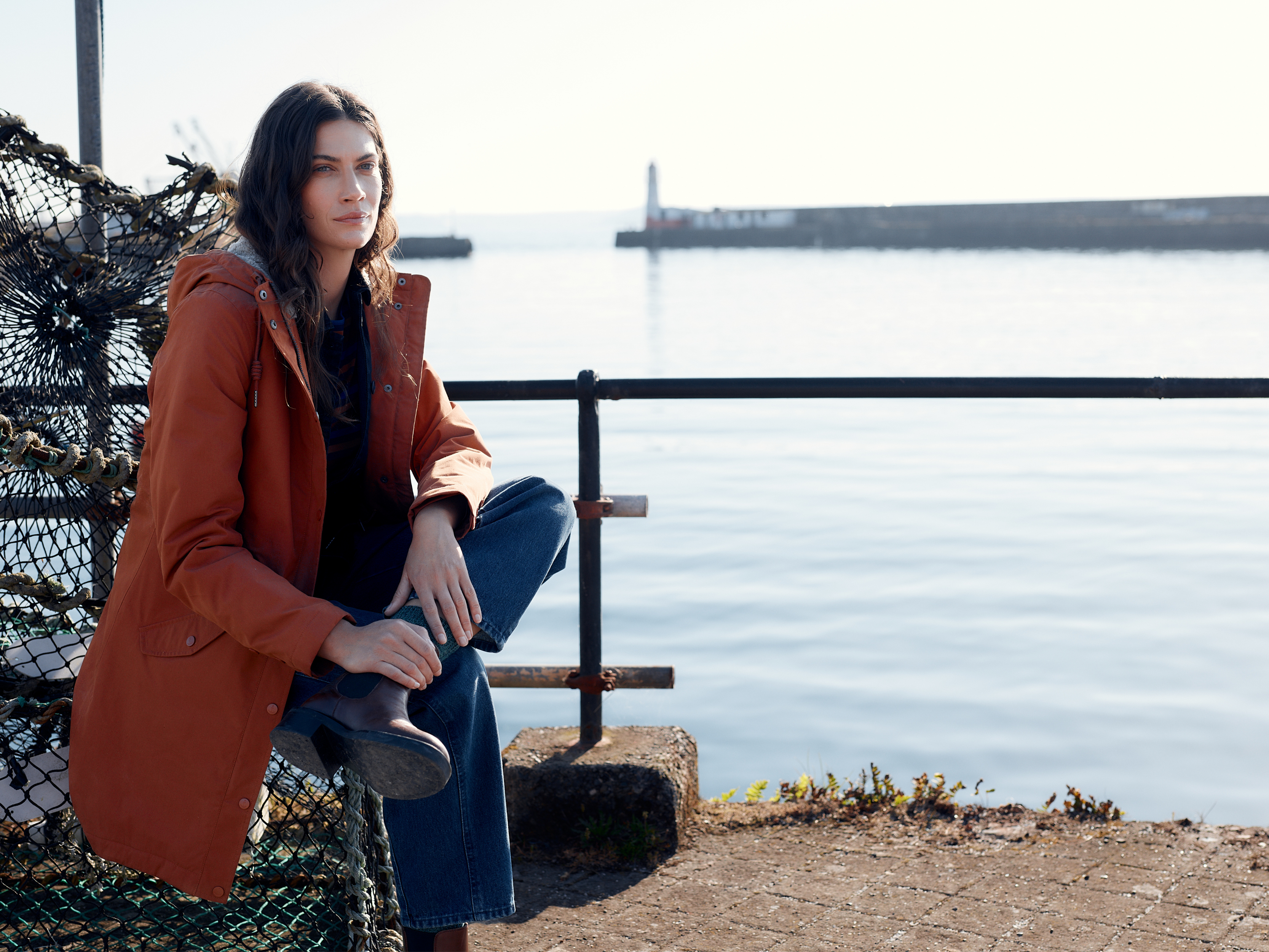
The days are slowly getting longer, the light is changing and here and there spring is beckoning.
But let's be honest: in the Netherlands the transition from winter to spring is rarely mild .
Cold mornings, wet days, biting winds, and sometimes even frost—while you're already longing for something lighter. This period raises questions:
What coat will you wear when it's no longer real winter, but not yet spring either?
And should you buy something new now, or would it be better to wait a little longer?
We are happy to help you think ahead , without making you feel cold now.

The transition period: which coat is suitable?
The transition from winter to spring (roughly February to April) is perhaps the most difficult period to choose a coat for.
Why?
-
The weather is changeable and unpredictable
-
Temperatures fluctuate greatly from day to day
-
Rain and wind remain a constant factor
-
A thick winter coat sometimes feels too heavy
-
A thin spring coat is often still too cold
That is precisely why this is the ideal moment to consciously look at functionality, flexibility and timing .
What will you need later (and what not yet)?
A common pitfall is switching to a spring coat too quickly.
The result? Cold arms, wet shoulders, and yet another winter coat.
The key is in balance.
Not: winter or spring
But: a coat that moves with the season
3 Smart Jacket Choices for the Transitional Period
1. Winter coat with flexibility (still indispensable)
Even if you look ahead:
In February and often also March, a lined winter raincoat is still not an unnecessary luxury.
What makes a winter coat suitable for menopause?
-
Wonderfully lined for the colder days
-
Good wind tightness
-
Waterproof for wet days
Why interesting now?
Because winter coats are currently on sale and you'll wear them again next year.
👉 Perfect for:
-
cold mornings
-
cycling and walking
-
being outside without having to dress in many layers of clothing

2. The real transitional jacket (the most underrated choice)
This is often the best bridge between winter and spring .
A transitional jacket:
-
feels lighter than a winter coat
-
but protects better than a spring coat
-
is suitable for 5–15 degrees
Think about:
-
light insulation
-
fleece or thin lining
-
breathable material
-
complete wind and water tightness
👉 Ideal for everyday use: work, school, shopping, cycling.

3. Spring jacket
The spring collection has arrived — and it's wonderful.
Lighter fabrics, fresh colours, a new season in sight.
But:
A spring raincoat without lining is especially suitable for:
-
milder days
-
temperatures above ±10 degrees

Thinking ahead smart: this is how many customers are doing it right now
Many women now consciously choose a two-coat strategy :
🧥 a winter coat (now often on sale)
🌸 a spring coat (for later in the season)
Why this works:
-
you are prepared for any type of weather
-
you don't have to compromise on comfort
-
you benefit from sale prices
-
your wardrobe feels fresh, but also practical
How do you know what suits you?
Ask yourself these questions:
Do you get cold easily?
→ rather choose something with a lining
Are you outdoors a lot or do you cycle every day?
→ wind tightness and length are important
Do you want one coat for several months?
→ a transition jacket is often the best choice
Do you especially want to look ahead to spring?
→ combine a spring jacket with good layers underneath
Accessories make the transition easier
Sometimes the difference isn't in the coat, but in what you wear with it:
-
a scarf for cold mornings
-
thin gloves that fit in your pocket
-
an extra vest under your coat
This way you make one jacket suitable for multiple temperatures.

Whether you choose a winter coat, consciously opt for a transitional coat, or are already looking ahead with a spring model —
the most important thing is that you stay dry and comfortable .
At Hipinderegen.nl we are happy to help you with that 🤍



Share:
Which winter coat suits you?
Together through all weather conditions: a raincoat as a Valentine's Day gift